Best Time to Visit Maasai Mara for the Great Migration
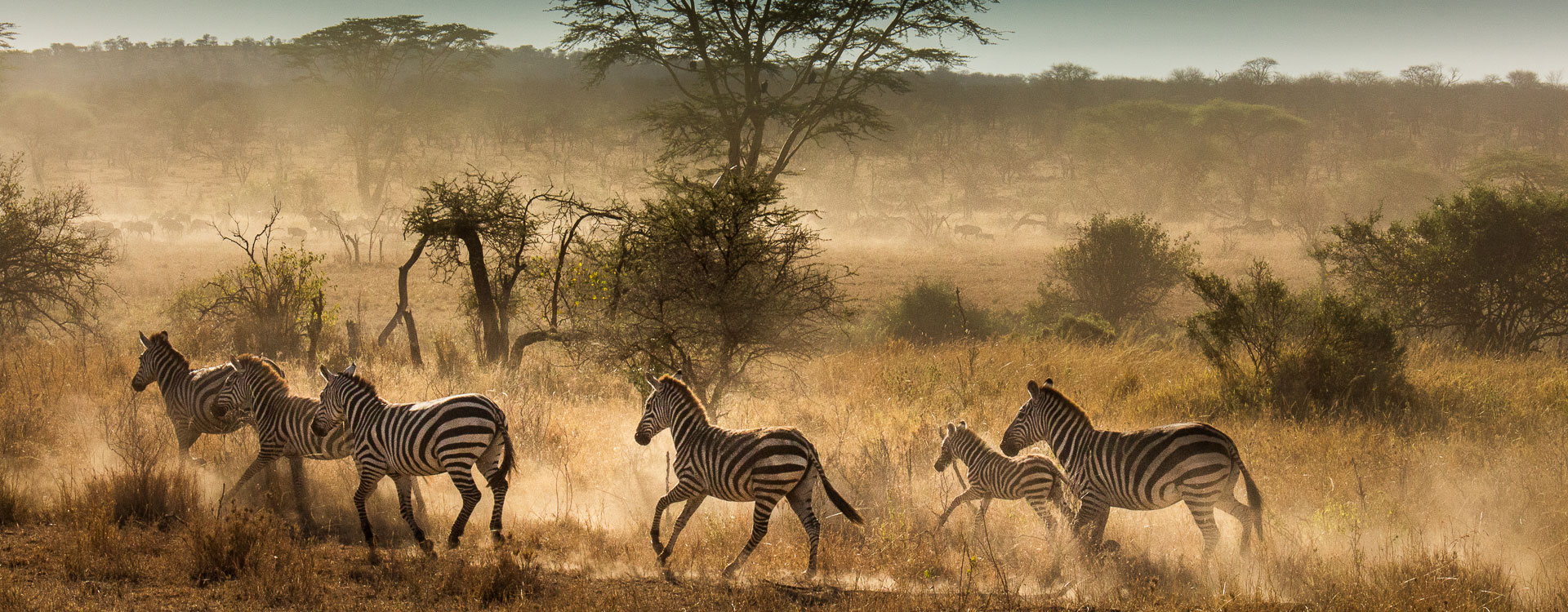
The Maasai Mara Great Migration is one of the most spectacular wildlife experiences in Africa. Every year, millions of wildebeest, accompanied by zebras and gazelles, move through the Serengeti-Mara ecosystem in search of fresh grazing and water.
For travellers planning a Kenya safari specifically to witness the migration, one of the most important questions is: When is the best time to visit Maasai Mara for the Great Migration?
The short answer is July to October, with August and September generally considered the best months for witnessing the dramatic Mara River crossings. However, the migration is a natural event, so the exact timing can change from year to year depending on rainfall, grass availability, water levels and herd movements.
When Is the Great Migration in Maasai Mara?
The Great Migration is not a single event that happens on a specific date. It is a continuous, year-round cycle in which huge herds move between Tanzania's Serengeti and Kenya's Maasai Mara.
The Kenyan phase of the migration is usually associated with July through October. During this period, large numbers of wildebeest and other grazing animals enter the Maasai Mara ecosystem, creating exceptional opportunities for wildlife viewing.
The most famous part of the migration is the Mara River crossing, where wildebeest face steep riverbanks, strong currents and crocodiles as they attempt to reach fresh grazing areas.
However, there is no fixed schedule for river crossings. The animals may gather near the river for hours or even days before crossing, change direction or cross at a different location.
Best Months to Visit Maasai Mara for the Migration
July – The Migration Begins to Arrive
July marks the beginning of the main migration season in the Maasai Mara. Depending on the year's rainfall patterns, the first large herds may begin entering Kenya during this period.
For travellers who want to experience the migration while avoiding some of the intense crowds associated with August, July can be an excellent option.
You may see:
- Large wildebeest herds arriving in the Mara
- Zebras and gazelles moving with the herds
- Increased predator activity
- Beautiful dry-season landscapes
- Early Mara River crossing activity
Because migration timing varies every year, an early July safari should be planned with realistic expectations.
August – Peak Migration Season
August is one of the most popular months for a Maasai Mara Great Migration safari.
Large herds are often present across the Mara ecosystem, and the possibility of witnessing a Mara River crossing makes this month particularly attractive to wildlife enthusiasts and photographers.
The downside is that August is also one of the busiest periods in the Maasai Mara. Popular areas around potential crossing points can become crowded, particularly when guides receive information about herd movements.
If witnessing a river crossing is your main goal, consider spending several days in the Mara rather than relying on a single game-drive day.
September – Excellent for Wildlife and River Crossings
September is another excellent month for the Great Migration in Maasai Mara.
Large herds may still be present, while the migration season continues to provide opportunities for dramatic wildlife encounters. September can also be appealing to travellers looking for a balance between migration activity and potentially lower visitor pressure compared with the height of August.
For photographers, September can offer excellent opportunities to capture wildebeest, zebras, predators and the Mara landscape.
October – The Migration Begins to Move South
October can still be a good month to visit Maasai Mara for the migration. Some herds remain in the ecosystem, and late river crossings can occur depending on weather and grazing conditions.
The advantage of travelling in October is that visitor numbers may begin to decline compared with the busiest part of the season.
However, the timing of the herds' return south is unpredictable. Some years, substantial numbers may remain in the Mara; in others, the movement south may happen earlier.
Which Month Is Best for the Mara River Crossing?
If your main objective is to witness a Mara River crossing, the strongest overall window is generally August to September.
That said, no reputable safari operator can guarantee that a crossing will happen on a particular day.
The wildebeest do not follow a tourist timetable. Their movements depend on natural factors including:
- Rainfall
- Availability of fresh grass
- Water levels
- Herd pressure
- Predator activity
- Conditions along the riverbanks
A herd may gather at the river and wait before suddenly crossing. It may also turn back or move to another crossing point.
This is why spending several days in the Maasai Mara can significantly improve your chances of experiencing interesting migration activity.
Why Is the Great Migration So Special?
The Great Migration is much more than watching wildebeest cross a river.
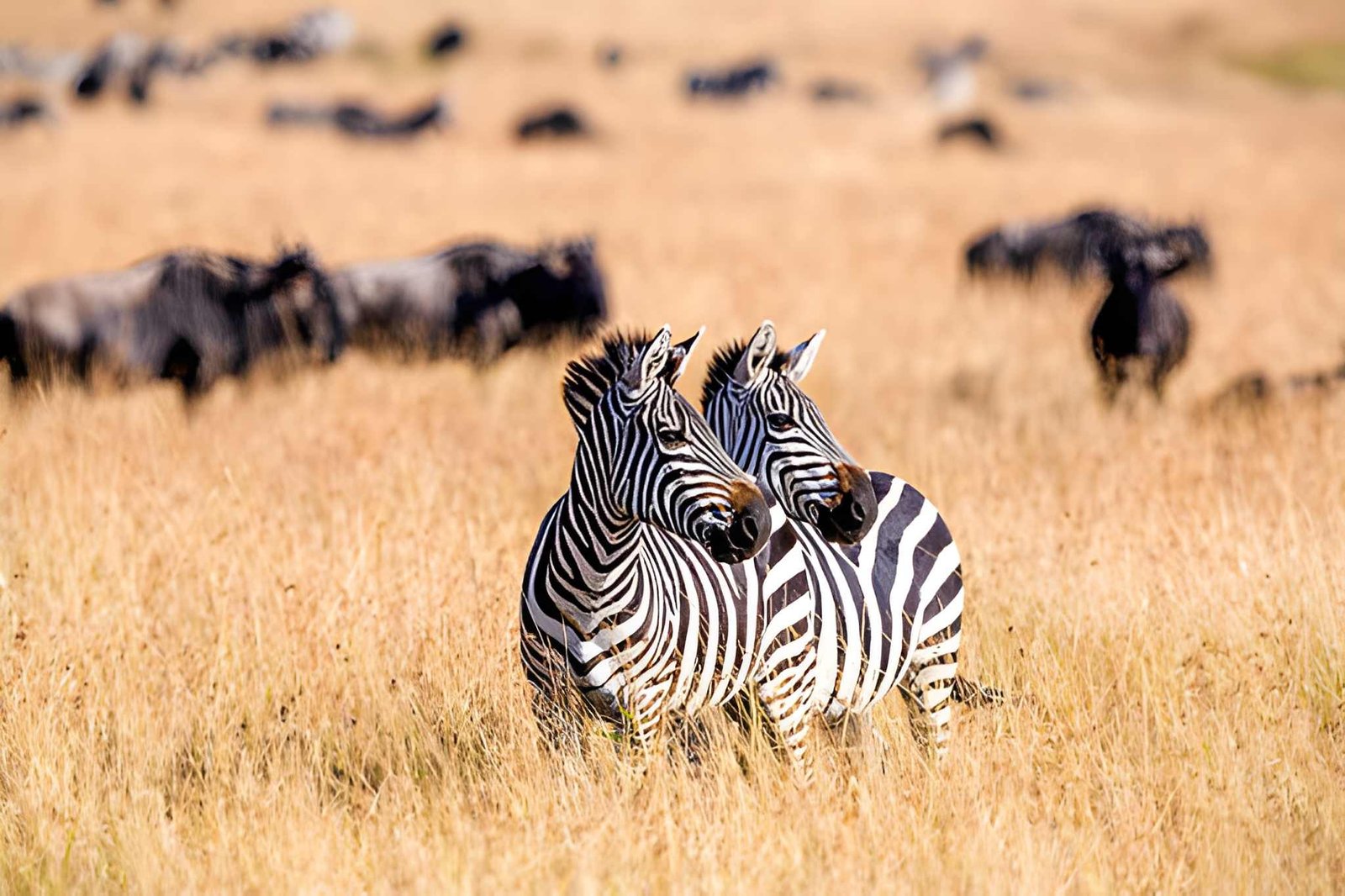
During migration season, the Maasai Mara becomes a spectacular ecosystem filled with wildlife. Large herds move across the grasslands while predators such as lions, cheetahs, leopards and hyenas take advantage of the abundance of prey.
For visitors, this creates opportunities to experience:
- Massive wildebeest herds
- Zebra and gazelle
- Lion and cheetah sightings
- Leopard encounters
- Dramatic predator-prey interactions
- Mara River crossings
- Beautiful African landscapes
- Exceptional wildlife photography
The migration is therefore an opportunity to experience the broader Maasai Mara safari, rather than simply waiting for a river crossing.
Is the Great Migration Guaranteed?
No. The Great Migration and Mara River crossings cannot be guaranteed.
This is one of the most important things to understand when planning a migration safari.
The migration follows nature rather than a fixed calendar. Even during the peak July–October period, the herds may be in different parts of the ecosystem.
A safari should therefore be planned around the possibility of experiencing the migration rather than purchasing a guaranteed river-crossing experience.
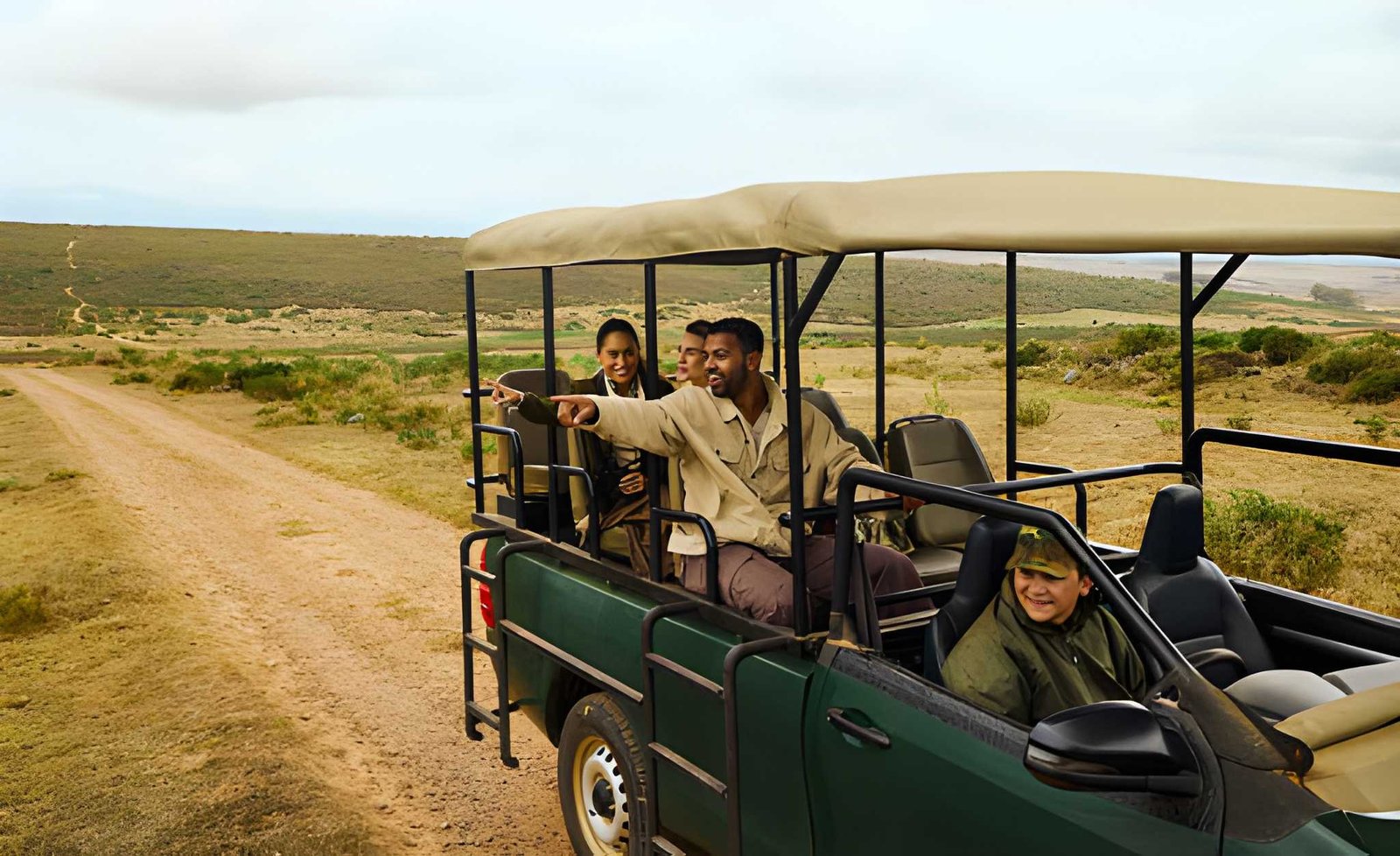
An experienced safari guide can monitor herd movements and adjust game drives accordingly, giving travellers the best possible opportunity to encounter the animals.
How Many Days Should You Spend in Maasai Mara During Migration?
If your goal is simply to experience the Maasai Mara, a 3-day safari can provide a good introduction to the reserve.
However, if your priority is the Great Migration and particularly a Mara River crossing, staying longer can be beneficial.
A 4- to 5-day Maasai Mara safari gives you more time to explore different areas, follow herd movements and wait for opportunities that may not occur during a single game drive.
The longer you stay, the less dependent you are on a single day's wildlife movements.
What Should You Pack for a Maasai Mara Migration Safari?
A migration safari involves spending considerable time outdoors, so comfortable and practical clothing is important.
Consider packing:
- Lightweight, breathable clothing
- A warm jacket or fleece for early morning game drives
- Comfortable walking shoes
- Hat and sunglasses
- Sunscreen
- Insect repellent
- Binoculars
- Camera and spare batteries
- Power bank
- Reusable water bottle
- Light rain jacket
Early morning game drives can be surprisingly cool, even during the dry season, so carrying an extra layer is recommended.
Tips for Planning a Great Migration Safari
1. Book Early
July to October is a high-demand period for Maasai Mara safaris. Accommodation and safari vehicles can become limited, especially around August and September.
Planning ahead gives you more options when selecting camps, lodges and safari itineraries.
2. Stay for Several Days
Don't plan your entire safari around seeing a river crossing on one particular day. Staying for several days gives you more opportunities to follow wildlife activity.
3. Choose Your Accommodation Carefully
Location matters during migration season. A camp or lodge with convenient access to areas where the herds are currently located can reduce unnecessary driving time.
4. Work With an Experienced Guide
A knowledgeable safari guide can make a major difference to your experience. Guides who regularly operate in the Mara understand the terrain and can follow current wildlife movements.
5. Be Flexible
The Great Migration is a natural phenomenon. Flexibility is essential.
You may plan to see a river crossing and instead spend the morning watching lions, cheetahs or thousands of wildebeest grazing across the plains. Both are unforgettable safari experiences.
Maasai Mara Migration Calendar at a Glance
| Month | Migration Experience | Best For |
|---|---|---|
| July | Herds begin entering the Mara | Early migration experiences |
| August | Peak migration activity | River crossings and large herds |
| September | Strong migration activity | Wildlife and photography |
| October | Herds begin moving south | Fewer crowds and late migration |
| November–June | Herds move through other parts of the ecosystem | Resident wildlife and different safari experiences |
The exact timing can vary from year to year because the migration responds to natural environmental conditions.
Final Thoughts: When Should You Visit Maasai Mara for the Great Migration?
If witnessing the Great Migration in Maasai Mara is at the top of your travel list, plan your safari between July and October.
For travellers particularly interested in the spectacular Mara River crossings, August and September are generally the strongest months to consider. However, the crossings are unpredictable, and there is never a guaranteed date.
The best approach is to give yourself enough time in the Mara, work with an experienced safari guide and enjoy the entire wildlife experience rather than focusing exclusively on a river crossing.
Whether you witness thousands of wildebeest crossing the Mara River or simply watch enormous herds spread across the golden savannah, a Maasai Mara safari during migration season is an experience that stays with you long after you leave Kenya.
Ready to Experience the Maasai Mara?
Planning your first Kenya safari or looking to experience the Great Migration? Filao Adventures can help you plan a Maasai Mara safari around your preferred travel dates, accommodation style and wildlife interests.
Explore Kenya, experience the wild and create unforgettable memories in the heart of the Maasai Mara.