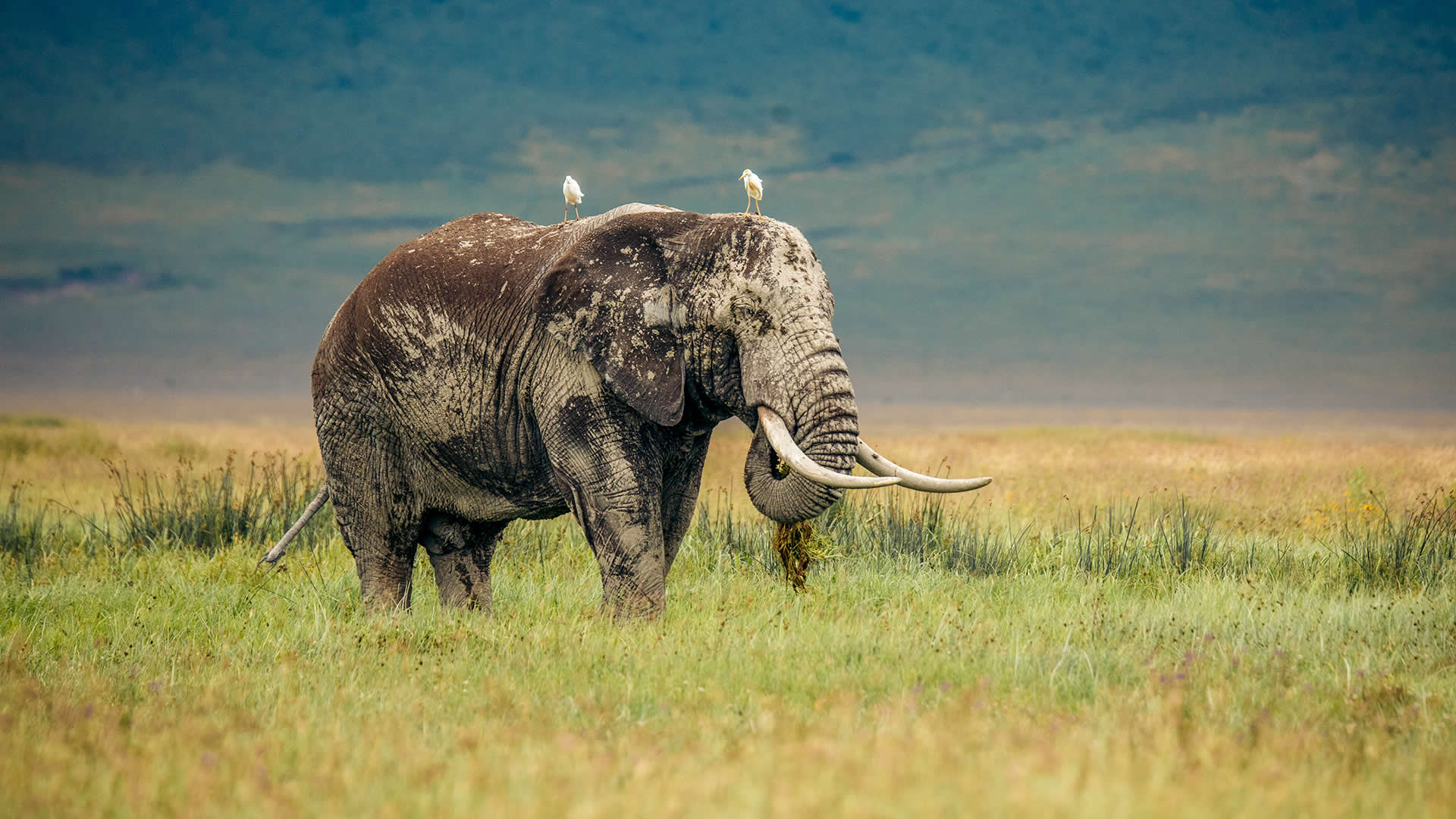
10 Simple Ways to Make Your Kenya Safari More Sustainable
A Kenya safari is more than an unforgettable wildlife experience. It is also an opportunity to support wildlife conservation, local communities, and sustainable tourism. From the iconic Maasai Mara to Amboseli, Tsavo , Lake Nakuru, and other protected areas, responsible travel can help preserve Kenya's natural heritage for generations to come.
But how can you make your safari more environmentally friendly?
Here are 10 simple ways to make your Kenya safari more sustainable without compromising your travel experience.
1. Choose Eco-Friendly Safari Lodges and Camps
Where you stay can have a significant impact on the environment. When planning your Kenya safari, consider lodges and camps that demonstrate sustainable practices.
Look for accommodation that uses:
- Solar power and renewable energy
- Water-saving systems
- Waste recycling and responsible waste management
- Locally sourced food
- Energy-efficient lighting
- Environmentally friendly construction
- Community conservation initiatives
Choosing responsible accommodation helps reduce the environmental footprint of your safari while supporting businesses that prioritize conservation.
2. Respect Wildlife and Keep a Safe Distance
One of the most important rules of sustainable tourism is to respect wildlife in its natural habitat.
During game drives, always follow your safari guide's instructions and avoid getting too close to animals. Never attempt to feed, touch, chase, or provoke wildlife for a photograph.
Remember that a safari is about observing animals—not interfering with their natural behavior.
Responsible wildlife viewing helps protect animals from unnecessary stress and allows future travelers to enjoy the same incredible experiences.
3. Reduce Your Use of Single-Use Plastics
Plastic pollution is a growing environmental concern around the world, including in areas visited by tourists.
You can make your safari more sustainable by carrying a reusable water bottle and avoiding unnecessary single-use plastic items.
Simple actions such as carrying reusable shopping bags, refusing unnecessary plastic packaging, and properly disposing of waste can make a difference.
Before leaving your accommodation or safari vehicle, make sure you have collected all your personal waste.
4. Stay on Designated Safari Routes
Kenya's national parks and conservancies have designated tracks and routes for safari vehicles. Staying on these routes is an important part of responsible wildlife tourism.
Driving off-road can:
- Damage vegetation
- Cause soil erosion
- Disturb wildlife
- Destroy animal habitats
- Affect breeding areas
Always allow your safari guide or driver to determine where the vehicle can safely travel.
A great wildlife sighting should never come at the expense of the environment.
5. Support Local Communities
Sustainable tourism is not only about protecting wildlife. It is also about ensuring that local communities benefit from tourism.
When visiting Kenya, consider purchasing locally made crafts, eating at locally owned establishments, hiring local guides where appropriate, and choosing tourism operators that work with surrounding communities.
Your spending can help support local employment, education, healthcare, entrepreneurship, and community development.
When communities benefit from tourism, they have stronger incentives to participate in conservation efforts.
6. Avoid Buying Wildlife Products
Responsible travelers should avoid purchasing products made from endangered or protected wildlife.
This can include items made from:
- Ivory
- Wildlife skins
- Bones
- Shells from protected species
- Other illegal wildlife products
Even when an item appears to be a harmless souvenir, it is important to understand where it comes from.
Instead, choose locally produced crafts and souvenirs that do not involve wildlife exploitation.
7. Conserve Water and Energy
Water is a valuable resource, particularly in many of Kenya's wildlife and semi-arid regions.
During your safari, small actions can help reduce your environmental impact.
- Turn off lights when leaving your room
- Switch off electronic devices when not in use
- Take reasonable showers
- Avoid wasting water
- Follow your accommodation's sustainability guidelines
If your lodge offers towel or linen reuse programs, consider participating.
These small habits can contribute to more sustainable tourism.
8. Choose a Responsible Safari Operator
The safari company you choose can have a major influence on the sustainability of your trip.
Before booking, find out whether your safari operator:
- Supports conservation projects
- Employs local staff
- Works with local communities
- Uses responsible wildlife-viewing practices
- Minimizes environmental waste
- Partners with sustainable accommodation
- Educates travelers about conservation
A responsible safari operator should see tourism as a way to protect Kenya's wildlife and support the communities that live alongside it.
At Filao Adventures, travelers can explore Kenya while experiencing the country's remarkable wildlife, landscapes, and cultures with responsible travel in mind.
9. Minimize Waste During Your Safari
A safari can take you far away from major towns and waste collection facilities. This makes responsible waste management particularly important.
Avoid throwing anything from a safari vehicle. Keep your waste with you until you reach an appropriate disposal point.
You can also reduce waste by:
- Carrying reusable containers
- Avoiding excessive packaging
- Using refillable water bottles
- Choosing products with minimal packaging
- Reusing items whenever possible
The principle is simple: leave the destination as you found it—or better.
10. Learn About Conservation and Share What You Learn
One of the best ways to contribute to conservation is to understand why it matters.
During your safari, ask your guide questions about wildlife, ecosystems, local communities, and conservation initiatives.
You can also learn about the challenges facing Kenya's wildlife, including habitat loss, human-wildlife conflict, climate change, and illegal wildlife trade.
After your trip, share your knowledge with friends and family. Encouraging others to travel responsibly can help create a wider culture of sustainable tourism.
Why Sustainable Tourism Matters in Kenya
Kenya's tourism industry depends heavily on its remarkable wildlife, landscapes, beaches, forests, and cultural heritage.
Destinations such as the Maasai Mara, Amboseli National Park, Tsavo National Parks, and Lake Nakuru attract visitors from around the world. Protecting these destinations is therefore essential—not only for wildlife but also for the communities and businesses that depend on tourism.
Sustainable tourism aims to create a balance between enjoying these destinations today and protecting them for future generations.
As a traveler, your choices matter.
The accommodation you book, the safari company you choose, the souvenirs you purchase, and the way you behave around wildlife can all contribute to a more sustainable tourism industry.
Plan a Responsible Kenya Safari with Filao Adventures
A sustainable safari does not mean giving up comfort, adventure, or unforgettable wildlife encounters.
It means traveling with greater awareness and making choices that benefit wildlife, people, and the environment.
Whether you dream of witnessing the Great Migration in the Maasai Mara , seeing elephants beneath the backdrop of Mount Kilimanjaro in Amboseli , exploring Lake Nakuru , or discovering the vast landscapes of Tsavo, responsible travel can help ensure that Kenya's natural treasures remain protected.
Ready to explore Kenya responsibly?
Plan your next adventure with Filao Adventures and discover Kenya while supporting a more sustainable approach to travel.